Who Is Maharishi Agasthiya? The Origin of Sri Agasthiya Nadi Astrology
Maharishi Agasthiya is one of the most revered sages in the spiritual heritage of India, known for his profound contributions to Vedic knowledge, Tamil literature, Siddha medicine, and spiritual science. Among his many legacies, one of the most mysterious and fascinating is the tradition of Sri Agasthiya Nadi Astrology, a system of destiny readings preserved on ancient palm leaves. For seekers today, understanding who Maharishi Agasthiya was provides deeper context to the spiritual significance of this lineage and how it continues to guide thousands of people across the world. Sri Agasthiya Sukshma Nadi Astrology
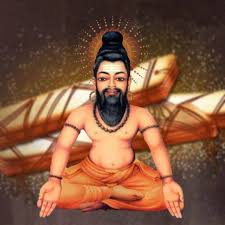
The Sage of Balance and Knowledge
Agasthiya Maharishi is described in ancient scriptures as a Siddha, a yogic master who achieved higher states of consciousness through tapas and meditation. He is considered one of the Sapta Rishis (seven great sages) and appears prominently in Vedic, Puranic, and Tamil traditions. His role as a bridge between the northern Vedic culture and the southern Tamil region earned him the title “father of Tamil Siddha knowledge.”
Agasthiya Maharishi’s contributions span multiple fields:
Siddha medicine (herbal, alchemical, yogic healing)
Yoga and pranayama techniques
Tamil grammar and literature
Astrology and spiritual sciences
Dharmic teachings and life ethics
This multidimensional legacy explains why the Agasthiya lineage is deeply respected not only for prediction but for spiritual transformation.
The Palm-Leaf Records and Prophetic Vision
According to tradition, Agasthiya Maharishi possessed the ability to foresee the destinies of countless souls through divine insight. After foreseeing the karmic journey, obstacles, relationships, spiritual duties, and remedies of these individuals, he dictated the details to his disciples. These details were later recorded on palm leaves using a stylus and preserved through generations in the form of Nadi manuscripts.
The purpose of these manuscripts was not entertainment or casual prediction. They were created to:
Guide souls during key phases of life
Help individuals understand karmic consequences
Provide karmic remedies for spiritual correction
Offer clarity during destiny transitions
Because of this intention, the Agasthiya Nadi tradition is seen as a spiritual intervention from the Maharishi, not merely a form of astrology.
The Birth of Sri Agasthiya Nadi Astrology
The Nadi system remained in the custody of certain temple families and Siddha lineages in South India for centuries. Among these traditions, Sri Agasthiya Nadi became one of the most well-preserved and spiritually valued branches. It is known for its depth in karmic explanations, past-life narratives, and remedy prescriptions.
The Sri Agasthiya Nadi is structured in kandams (chapters), with each kandam addressing specific aspects of life such as:
Family and education
Marriage and relationships
Health and longevity
Finance and profession
Spirituality and remedies
Past-life karma
Ancestral influences
This kandam structure allows seekers to access guidance according to their needs rather than receiving a single generalized reading.
Karma, Remedies, and Spiritual Responsibility
One of the most distinctive features of the Sri Agasthiya Nadi lineage is its emphasis on karma and remedies. Predictions are not presented as unavoidable fate; instead, they reveal the karmic origins behind life challenges and offer spiritual remedies to harmonize those influences.
Remedies may involve:
Temple visits
Homams or rituals
Ancestral prayers
Charity or dharmic acts
Chanting specific mantras
Fasting or devotional practices
In this way, the Sri Agasthiya Nadi system empowers the seeker with spiritual responsibility rather than passive acceptance.
Preservation Through Lineage and Temples
The palm leaves associated with the Agasthiya tradition have passed through families who were entrusted with their preservation. These custodians preserved the leaves, rewrote damaged manuscripts, learned to read the ancient Tamil script, and maintained the matching and interpretation system.
Over time, temples—especially in regions such as Vaitheeswaran Koil in Tamil Nadu—became key locations for seekers to access the Agasthiya Nadi. Today, both in-person and online formats are available, but the lineage and temple energy continue to define the spiritual authenticity of the system.
Conclusion
Maharishi Agasthiya was not merely an astrologer. He was a yogic master, Siddha clinician, literary scholar, and spiritual guide whose teachings shaped the Tamil and Vedic landscape. The Sri Agasthiya Nadi Astrology tradition represents his compassionate attempt to guide souls through the karmic complexities of life and to align them toward spiritual growth. For seekers today, these palm-leaf records offer a rare opportunity to understand destiny not as blind fate, but as a journey shaped by karma, discipline, and divine insight.